

When Should Children Start Orthodontic Treatment?

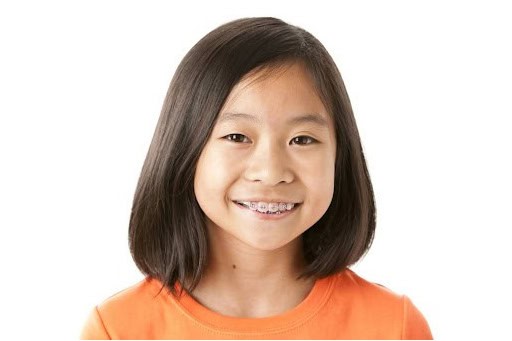
smiling girl with braces from Dr. Yang at Discovery Childrens Dentistry & Orthodontics

As a parent in Carlsbad, you want the best for your child’s smile. Understanding when kids should start orthodontic treatment can make a real difference in outcomes, comfort, and overall oral health.

Early orthodontic evaluation gives you and your child a head start. By catching potential issues while your child is still growing, you can often prevent more complex problems down the road. At Discovery Children’s Dentistry and Orthodontics, we help Carlsbad families understand the right timing for their child’s unique needs.

This guide walks you through everything you need to know about when children should begin orthodontic treatment, what signs to watch for, and how early intervention can benefit your child’s long-term oral health.

What Is the Ideal Age for First Orthodontic Evaluation?

The American Association of Orthodontists recommends that children have their first orthodontic evaluation by age 7. At this age, your child has a mix of baby teeth and permanent teeth, which gives orthodontists a clear picture of how teeth and jaws are developing.

By age 7, enough permanent teeth have come in to identify potential problems with tooth alignment and jaw growth, building on earlier milestones such as the eruption of two-year molars. Early detection allows for better treatment planning and outcomes. Even if treatment isn’t needed right away, this early visit establishes a baseline for monitoring your child’s dental development.

Most children won’t need immediate treatment at age 7. However, this evaluation helps identify issues that could benefit from early intervention. According to the American Association of Orthodontists, about 1 in 5 orthodontic patients is under the age of 11, showing that early treatment is becoming more common and effective.

Early evaluation doesn’t mean early treatment for everyone. Your orthodontist will continue to monitor your child’s growth and recommend the right time to begin treatment if needed, while also discussing the benefits of Invisalign for teenagers once their smile is ready for that option.

Signs Your Child May Need Orthodontic Treatment

Some signs are easy to spot, while others are more subtle. Paying attention to how your child’s teeth and jaws function can help you know when to seek professional advice.

Watch for difficulty chewing or biting food properly. If your child struggles to bite through certain foods or chews mostly on one side, this could signal a bite problem. Mouth breathing or speech difficulties are also red flags that jaw or tooth position may be affecting your child’s airway or ability to speak clearly.

Early or late loss of baby teeth can disrupt the natural spacing needed for permanent teeth. Crowded, misplaced, or blocked-out teeth are clear signs that orthodontic evaluation is needed. These issues rarely fix themselves and often worsen without intervention.

Jaws that shift, make sounds, protrude, or are recessed need attention. A recessed lower jaw or protruding upper jaw can affect your child’s bite, facial development, and self-confidence. Studies show that children with severe malocclusions (bad bites) are more likely to experience dental injuries, so early correction offers both functional and protective benefits. Preventive measures like dental sealants for children can also help protect teeth from damage while long-term alignment concerns are being monitored.

When Thumb Sucking Becomes a Concern

Most young children suck their thumbs or fingers as a natural comfort behavior. This is completely normal for babies and toddlers. However, thumb sucking becomes a concern when it continues past age 4 or 5.

Normal thumb sucking typically stops on its own as children grow. Problematic habits are those that persist after permanent teeth begin to come in. Prolonged thumb sucking can push front teeth forward, narrow the upper jaw, and create bite problems.

If your child still sucks their thumb after age 5, talk to your pediatric dentist or orthodontist. Early intervention can help break the habit before it causes lasting changes to tooth alignment. Gentle techniques and positive reinforcement work better than punishment or shame.

Early Orthodontic Treatment vs. Later Treatment

Deciding when to start treatment depends on your child’s specific needs. Some children benefit from early treatment, while others do better waiting until more permanent teeth have come in.

Interceptive orthodontic treatment, also called Phase 1 treatment, happens while your child still has baby teeth. This early intervention can guide jaw growth, create space for permanent teeth, and reduce the risk of trauma to protruding front teeth. Benefits include shorter and simpler treatment later, prevention of tooth extractions, and improved facial symmetry.

Research shows that early treatment can reduce the need for tooth removal by up to 60% in children with severe crowding. Comprehensive treatment, or Phase 2, usually begins around age 11-13 when most permanent teeth have erupted. This is often the right time for traditional braces or clear braces.

Waiting for comprehensive treatment makes sense when there are no urgent issues affecting jaw growth, breathing, or dental health. Your orthodontist at Discovery Children’s Dentistry and Orthodontics will help you understand which approach fits your child best.

Two-Phase Treatment Approach

Some children benefit from a two-phase treatment approach. This method breaks orthodontic care into two distinct stages, each with specific goals.

Phase 1 focuses on guiding jaw growth and creating space for permanent teeth. Treatment typically starts between ages 7-10 and lasts about 12-18 months. Orthodontists use appliances like expanders to widen the upper jaw or partial braces to correct bite problems. This phase takes advantage of your child’s natural growth to make corrections easier.

After Phase 1, there’s usually a resting period where remaining baby teeth fall out naturally and permanent teeth come in. Dr. Yang monitors progress during this time with periodic check-ups.

Phase 2 involves final tooth positioning and bite correction, usually starting around age 11-13. This phase typically uses full braces or clear braces and lasts 18-24 months. The goal is to perfect tooth alignment and ensure a healthy, functional bite. Because Phase 1 already addressed major jaw issues, Phase 2 is often shorter and simpler than if treatment had been delayed.

Different Types of Orthodontic Treatments for Children

Orthodontic treatment isn’t one-size-fits-all. Different problems require different solutions, and age plays a big role in which treatment works best.

Traditional metal braces remain the most effective option for comprehensive correction. Today’s braces are smaller, more comfortable, and more efficient than ever. They work for almost all orthodontic problems and are the most affordable option for most families.

Clear braces offer a less noticeable alternative for image-conscious teens, but they still require careful attention to caring for teeth with braces throughout treatment. These work just like metal braces but use tooth-colored or clear brackets. They’re popular with middle and high school students who want a more subtle look during treatment.

Space maintainers and expanders help younger children maintain proper spacing or widen narrow jaws. If your child loses a baby tooth too early, a space maintainer holds the spot open for the permanent tooth. Palatal expanders gradually widen the upper jaw to create room for crowded teeth.

Retainers are essential for maintaining treatment results after braces come off, which is why a lost or broken retainer can quickly put those results at risk. Wearing retainers as directed helps prevent teeth from shifting back, with most orthodontists recommending full-time wear for several months, followed by nightly use long term.

Special Considerations for Children with Special Needs

Children with special needs deserve the same access to orthodontic care as any other child. At Discovery Children’s Dentistry and Orthodontics, we provide customized orthodontic approaches for special needs patients.

Treatment planning requires extra care and patience. We take time to understand your child’s unique needs, sensory sensitivities, and communication style. Some children may need shorter appointments, sedation options, or special accommodations during treatment.

Orthodontic care can improve the quality of life for children with special needs by making eating easier, improving speech, and boosting self-confidence. In many cases, regular visits that include specialized dental cleanings for children help maintain oral health during orthodontic treatment. We work closely with parents and caregivers to create a treatment plan that fits your family’s situation and your child’s abilities.

What to Expect During Your Child’s Orthodontic Consultation

The first orthodontic visit sets the stage for your child’s treatment journey. Knowing what to expect can help both you and your child feel more comfortable.

The comprehensive examination process includes a visual inspection of teeth, jaws, and facial structure. Your orthodontist will check how your child’s teeth fit together when biting and how the jaws align. This examination is gentle and non-invasive.

X-rays and digital imaging give a complete picture of tooth position, jaw structure, and upcoming permanent teeth. Modern digital x-rays use minimal radiation and provide instant, clear images. Some offices also use 3D imaging for precise treatment planning.

Treatment timeline and cost discussion happens after the examination. Your orthodontist will explain whether treatment is needed now or later, how long it might take, and what it will cost. Most orthodontic offices offer flexible payment plans to make treatment affordable.

Creating a child-friendly experience is a priority. At Discovery Children’s Dentistry and Orthodontics, we use a warm, welcoming approach that helps children feel comfortable. We explain everything in kid-friendly terms and answer all your questions.

Frequently Asked Questions

How early is too early for orthodontic treatment?

There’s no such thing as too early for an evaluation, but actual treatment rarely begins before age 6. The American Association of Orthodontists recommends an evaluation by age 7, with treatment before age 6 reserved for severe issues affecting breathing, eating, or jaw development. Understanding how to handle orthodontic emergencies while traveling is also important for families whose children are being monitored during these early growth stages. Most early treatment begins between ages 7–10, when it can guide jaw growth effectively.

Will my child need braces if they have crooked baby teeth?

Not necessarily. Crooked baby teeth don’t always mean your child will need braces. Many children have perfectly straight permanent teeth even after having crooked baby teeth. However, an orthodontic evaluation helps predict how permanent teeth will come in and whether intervention will be needed. Baby teeth also serve as placeholders, so their position can affect permanent teeth.

What happens if we wait too long to start orthodontic treatment?

Waiting too long can make treatment more complex and time-consuming. Jaw growth occurs mostly during childhood, so issues that could be fixed with growth guidance may later require surgery. Crowding can worsen over time, and bite problems can cause tooth wear and jaw pain. That said, orthodontic treatment works at any age. Adult treatment is common and effective, just often longer than childhood treatment.

How long does orthodontic treatment typically take for children?

Treatment length varies based on the problem and treatment type. Early intervention (Phase 1) usually takes 12-18 months. Comprehensive treatment with braces typically takes 18-24 months. Simple cases may finish in 12 months, while complex cases can take 30 months or more. Your orthodontist will give you a specific timeline based on your child’s needs.

Are there payment options available for orthodontic treatment?

Yes, most orthodontic offices offer flexible payment plans. Many accept dental insurance that covers part of orthodontic treatment (typically 50% up to a lifetime maximum). Payment plans often allow you to spread costs over the treatment period with little or no interest. Some offices also accept FSA and HSA accounts. At Discovery Children’s Dentistry and Orthodontics, we work with families to find payment solutions that fit your budget.

Can children with special needs receive orthodontic care?

Absolutely. Children with special needs can and should receive orthodontic care when needed. Treatment may require modifications, extra time, or special accommodations, but the benefits are just as important. Orthodontic treatment can improve eating, speech, oral hygiene, and self-esteem for children with special needs. Our team has experience working with special needs patients and their families to provide compassionate, effective care.

Creating Confident Smiles in Carlsbad

Starting orthodontic treatment at the right time makes all the difference in your child’s outcome. Early evaluation by age 7 helps catch problems when they’re easiest to fix. Whether your child needs early intervention or can wait for comprehensive treatment, the goal is the same: a healthy, beautiful smile that lasts a lifetime.

At Discovery Children’s Dentistry and Orthodontics in Carlsbad, our board-certified specialists provide expert orthodontic care in a child-friendly environment. We take time to understand your child’s unique needs and create treatment plans that work for your family. From traditional braces to clear braces for teens, we offer the full range of orthodontic solutions.

If you’re wondering whether it’s time for your child’s first orthodontic evaluation, don’t wait. Early assessment gives you peace of mind and your child the best chance for a simple, successful treatment. Schedule a consultation with our Carlsbad team today and take the first step toward your child’s confident smile.


More from Our Dental Blog

smiling girl with braces from Dr. Yang at Discovery Childrens Dentistry & Orthodontics

When Should Children Start Orthodontic Treatment?

As a parent in Carlsbad, you want the best for your child’s smile. Understanding when kids should start orthodontic treatment can make a real ...
pediatric orthodontist patient

Orthodontic Treatment Timeline In Carlsbad: What to Expect from Start to Finish

Are you wondering what your child’s orthodontic journey will look like and how long it might take? Understanding the orthodontic treatment timeline can help ...
child with retainer

Lost or Broken Retainer? What Parents Need to Do Right Away

Has your child just announced they can’t find their retainer or accidentally broke it? Don’t panic – retainer emergencies happen more often than you ...